
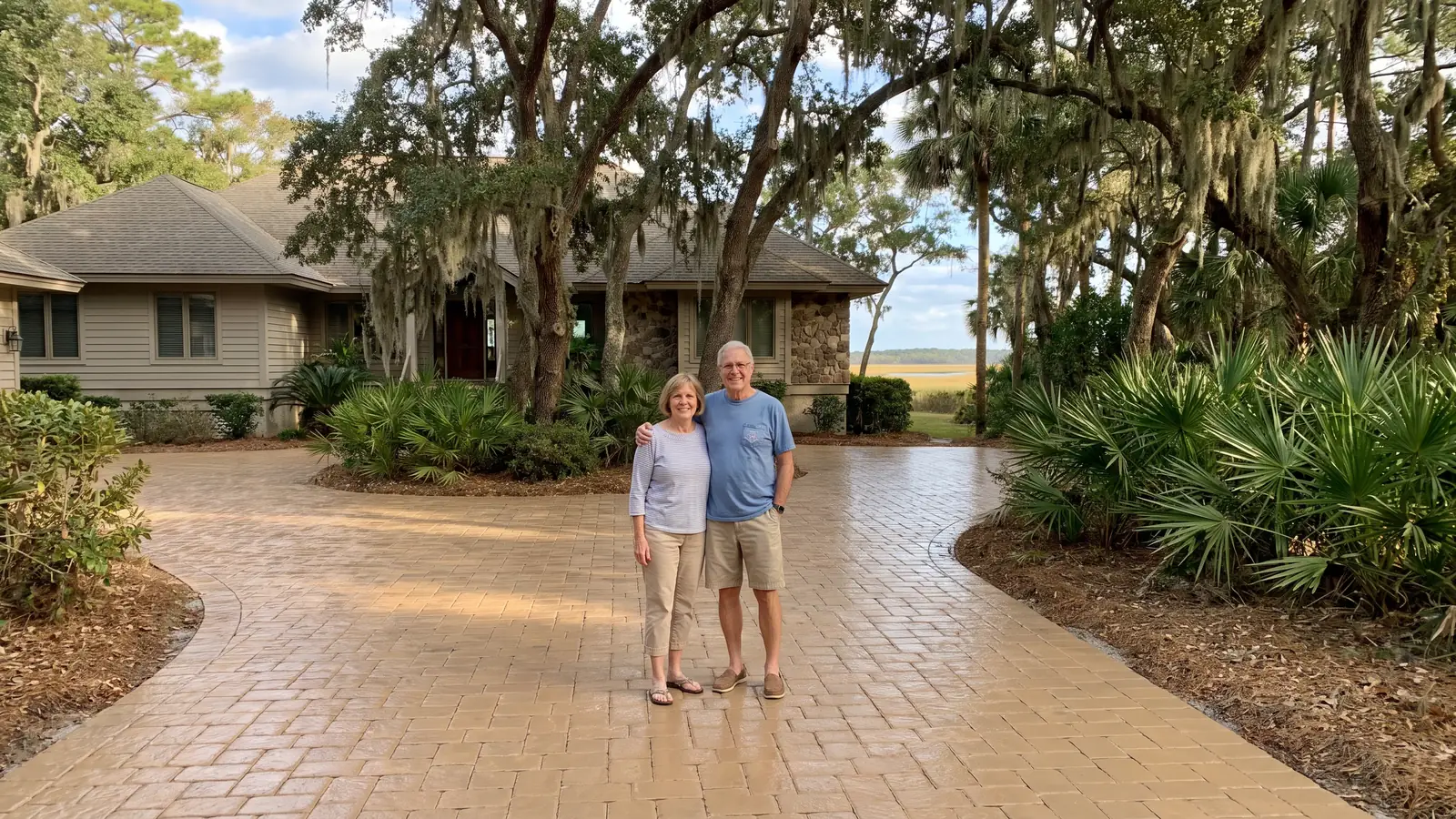
Paver sealing for Arlington Hills homes
Paver Sealing in Arlington Hills, FL
Arlington Hills grew up in car-first Arlington, so its driveways work hard; call (904) 664-0041 for a free estimate.
- Brings out deeper paver color
- Fresh joint sand helps lock pavers in place
- Gives weeds less room to grow
- Makes the surface easier to keep clean
- Free estimate, no obligation
Request a Free Estimate
Free, no obligation.
Fast, careful paver sealing in Arlington Hills
Paver sealing in Arlington Hills starts with a free look at your driveway, entry walk or patio. A local contractor washes the stones, refills the joints and puts on a fresh coat. When you get a free estimate, expect an answer within 1 business day, usually much sooner.
Arlington Hills homes date from 1951 to 1990, and many have a paver drive that has taken decades of tires and storms. A faded, patchy surface does not have to stay that way. Call (904) 664-0041, say what you are seeing, and ask for a price with no obligation.
Why hire a local paver sealing contractor in Arlington Hills?
Arlington Hills owners usually want someone who has worked on older Jacksonville lots, where driveways carry years of use. To hear how that applies to your house, get a free estimate.
Free visit, written price
Someone visits your Arlington Hills drive or walk and writes the price down. No work begins until you say yes.
Easy to compare
Ask for the square footage and each step in writing. Then two quotes for the same Arlington Hills drive line up side by side.
Pick matte or wet look
A wet look deepens color but shows scuffs sooner. Matte is calmer and forgives a driveway that sees tires every day. The contractor can walk you through both before you decide.
No pressure to book
A free estimate commits you to nothing. You pick the finish and the date, and the reply comes fast.
Get Your Free Estimate in Arlington Hills
Tell us about your pavers in Arlington Hills.
Free, no obligation
What paver problems show up most in Arlington Hills?
Dips where the cars park
One local contractor's guide says turning tires loosen joint sand and let pavers creep and settle. Arlington was built for the automobile, and a driveway there takes that wear every day. A low spot where you park is repaired before sealing, since sealer would lock the dip in. Look at the area under your tires first. Loose sand also lets stones shift at the edges of the lane. Where the apron meets the street, runoff can carry more sand away. A contractor looks at those spots before quoting, because they decide how much repair comes first.
Coats stacked up over the decades
Arlington Hills homes run from 1951 to 1990, so a paver surface can carry more than one owner's product. Another local company says sealer that turns milky, white or flaky usually means trapped moisture or too many coats built up over the years. That sealer is stripped before a new coat goes on. Water-based sealer also cannot go over solvent-based sealer. Ask the previous owner what went on the drive, if you can reach them. If nobody knows, the contractor sees how the surface takes water and works from there. Keep any receipt or product name you find.
Joint sand heading for the gutter
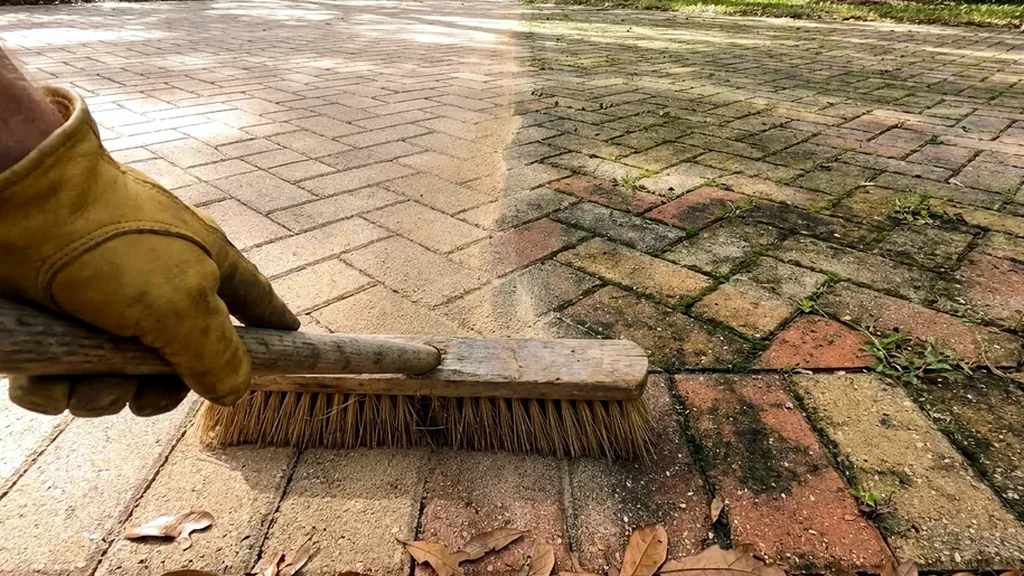
The USDA lists the Mandarin soil series, a somewhat poorly drained fine sand, as established in Duval County. Jacksonville also gets about 52 inches of rain a year, mostly May to September in short, hard bursts. One local company lists low joints with sand washing into the gutter as a sign a driveway needs sealing. Once joints drop, weeds and ants move in. Weeds are the visible part, since they root in the soil that fills the gaps. Fresh sand is part of a proper job, and the sealer then helps hold it in place. A walk along the low side of the drive after a storm shows where the sand went.
Sun and heat on bare stones
A local paver company notes that Florida's UV, heat and heavy rain speed sealer breakdown. Driveways that face the afternoon sun take the most of it. The coat wears thin first, and then the color fades. Water that soaks in instead of beading is the sign that protection is gone. A wet look gives deeper color but shows scuffs sooner. That trade is worth a minute of thought if your drive faces west.
Rust marks and leaf stains
University of Florida extension says most Florida well water carries a lot of iron, and sprinklers fed by it can leave orange stains. If your sprinklers reach the drive, look for rust lines where the spray lands. Moss and algae only take hold on pavers where shade is heavy. Oil and rust spots are treated before sealing, and some deep stains may not come out fully. Turning the sprinkler heads away from the stones after sealing helps keep new marks from forming. Leaf drop from nearby trees can also leave brown prints on a damp surface.
Do Arlington Hills streets like Cesery Boulevard and Gaillardia Road need different paver care?
Mostly no, because age and size matter more than the street. Neighborhoods.com puts Arlington Hills homes between 1951 and 1990 and between 925 and 2,350 square feet. A short walk at a small house and a wide drive at a larger one are priced by area. Tell the contractor your street when you get a free estimate.
Listings in November 2026 included Layton Road, Cesery Boulevard, Gaillardia Road, Caladium Road, Ligustrum Road, Mayapple Road, Shetland Road and Lansdowne Drive. The same site dates the neighborhood to 1954, and building went on from there. A drive laid in the 1980s may carry layers from more than one owner. Call (904) 664-0041 and mention the year your home was built.
Both single-family and attached homes appear in Arlington Hills listings. Small jobs carry a higher price per square foot, a Jacksonville guide says, since prep takes the same time on a smaller area. Larger jobs get a better rate. Share what you have when you get a free estimate, and the contractor can tell you which side of that line you fall on.
What does paver sealing cost in Arlington Hills?
In Jacksonville, published prices for a full clean, sand and seal land between $1.75 and $3.25 per square foot. One company says stripping a failed old coat costs more than the base job. In Arlington Hills, the age of your pavers and the coats on them will likely set where you land. To price your own driveway, get a free estimate.
Access and mixed surfaces add prep time, a Jacksonville cost guide says. A driveway that meets a walk and a patio is more than one surface. A section lifted by tree roots adds repair time before any sealer. Call (904) 664-0041 for a free look and a written number.
| Paved area | Typical example | Clean, sand and seal |
|---|---|---|
| 300 sq ft | Small patio or walkway | $525 to $975 |
| 600 sq ft | Two car driveway | $1,050 to $1,950 |
| 1,000 sq ft | Large driveway or pool deck | $1,750 to $3,250 |
| 1,500 sq ft | Driveway plus pool deck | $2,625 to $4,875 |
Math based on the $1.75 to $3.25 per square foot that Northeast Florida paver companies published as of November 2026. Your contractor sets the actual price after seeing the surface. Repairs, leveling and stripping failed sealer are usually extra.
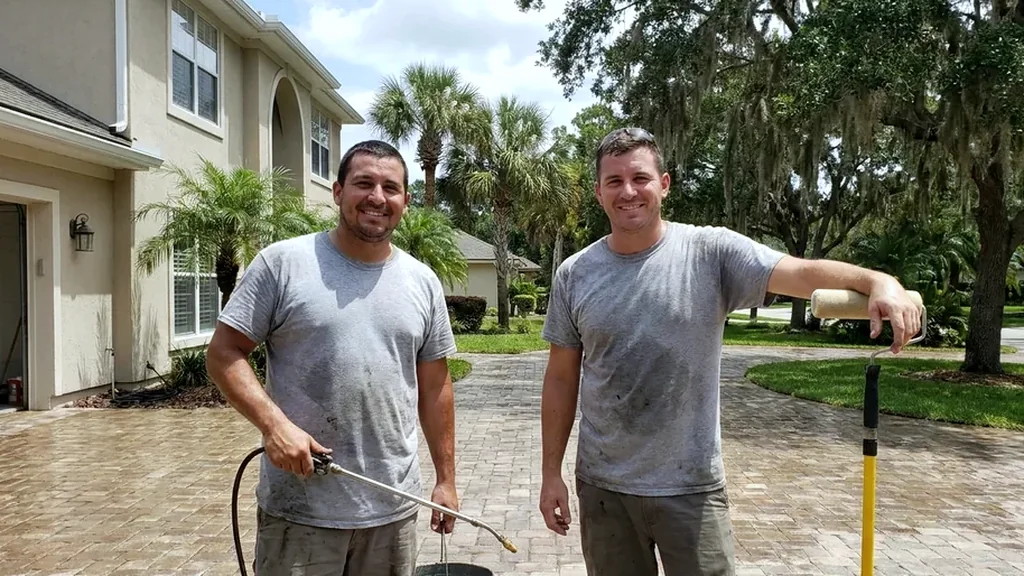
How does a paver sealing job work in Arlington Hills?
Walk the drive and check the old coat
The contractor looks for low spots, lifted corners, weeds in the joints and any peeling or cloudy sealer. A dip where you park or a section tree roots have raised is repaired first. Sealing locks in whatever is there. If the old product is unknown, that gets sorted out before anything new goes on. You can walk the drive with the contractor and point out what bothers you. That conversation shapes the quote.
Treat oil and rust
Oil drips and rust spots are pre-treated before the main wash. One sealing company reports that some deep stains will not come out completely. Knowing that early helps you decide on finish. A darker wet look can hide faint marks that matte would show. Rust lines near sprinkler heads get the same treatment. Both are handled early so the sealer does not trap them. The contractor matches the treatment to the stain.
Wash the surface
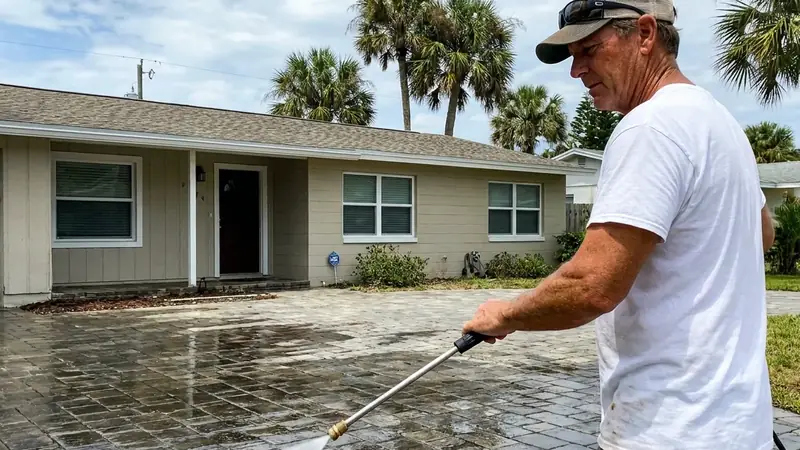
Washing clears dirt, green film and the old residue. It also pulls sand out of the joints, which is why re-sanding follows. Rinse water is kept off flower beds and siding. Heavy shade near trees may call for a longer wash. Pressure stays moderate on older stones so the surface is not damaged. Expect the wet pavers to look darker until they dry. Edges near flower beds and the garage door are rinsed by hand.
Refill the joints
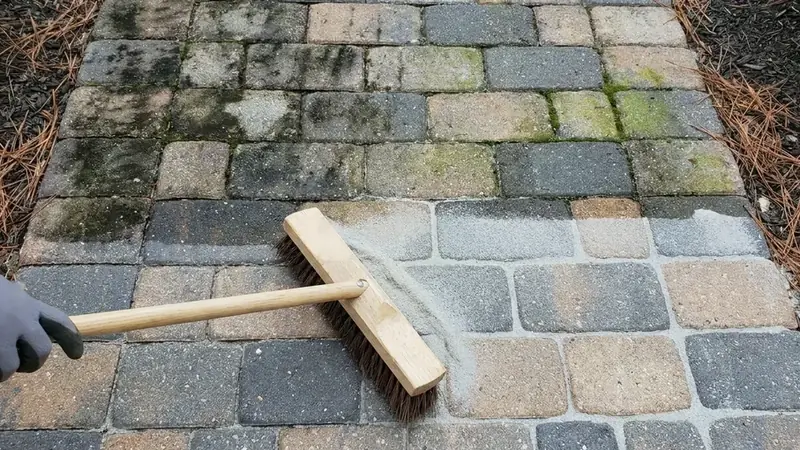
Joints are refilled with silica sand and swept before sealing. Full joints keep the stones tight and leave less loose sand for ants. This is also when low joints along the gutter side get extra attention. A drive with a long history of washout may take more sand. Any weeds are cleared first, so new sand fills clean joints. Edges against the garage and the street are swept last.
Seal once the stones are dry
Sealer needs a dry surface, so the contractor waits for it. The coat is sprayed and back-rolled, which gives even coverage and works it into the joints. Most driveways are done in one day. Foot traffic comes back in a few hours, and the cars stay off for about a day. Two to five years between coats is what companies commonly quote, and a drive in afternoon sun may sit at the short end. A simple water test later on tells you when it is time again.
Complete paver services in Arlington Hills
An Arlington Hills job moves in order: repair, treat stains, wash, refill the joints and seal. Each step sets up the next, and skipping one leaves a flaw under the coat. A two-car drive and a small entry walk follow the same order on different schedules. To ask how your steps would run, call (904) 664-0041.
Pavers in Arlington Hills mostly sit on driveways, entry walks and back patios. Drives take tires and oil, walks take feet and sprinkler spray, and patios take shade and furniture. A different finish can suit each one. Mention every surface you want done when you get a free estimate.
If your sealer looks milky or flaky, it will likely be stripped before the new coat goes on. Water-based sealer cannot go over solvent-based sealer, so the old product has to be identified. A simple check is to watch water on the surface: beading means it still works. Call (904) 664-0041 to talk through what is on your drive.
Jacksonville averages about 52 inches of rain a year, mostly May to September, so the calendar matters. The drier stretch from November to April is easier to schedule, though a clear week in summer also works. Cars stay off about a day, so many owners park on the street or in the garage. To pick a date, get a free estimate.
Questions to ask before you hire
- Will you clear the weeds and ant hills out of the joints first?
- Will you measure the job in person, or can you quote from photos I send?
- If it rains the night after you seal, what happens to the coat?
- Do you carry liability insurance, and can I see the policy before you start?
- Can you get the dark leaf stains from my oak trees out before you seal?
- Can you do the driveway and the pool deck in the same visit?
- Is the wash, the new joint sand and lifting any low pavers part of your price?
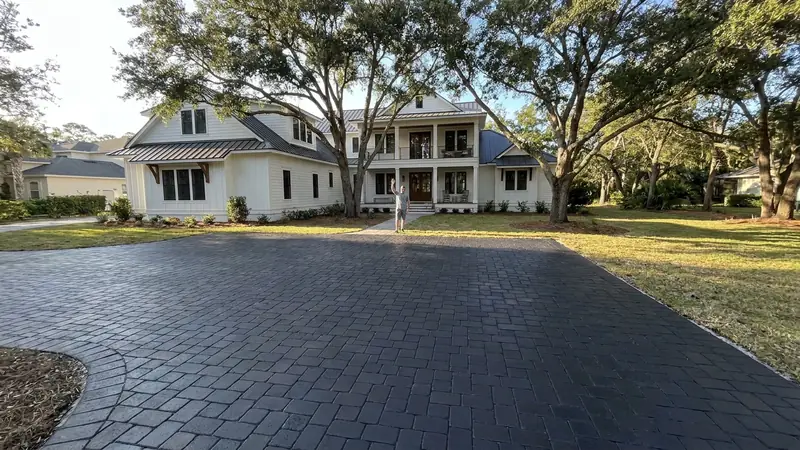
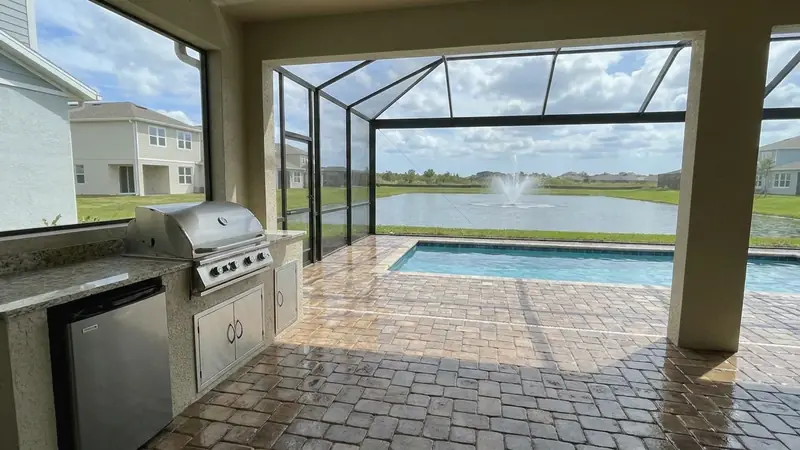
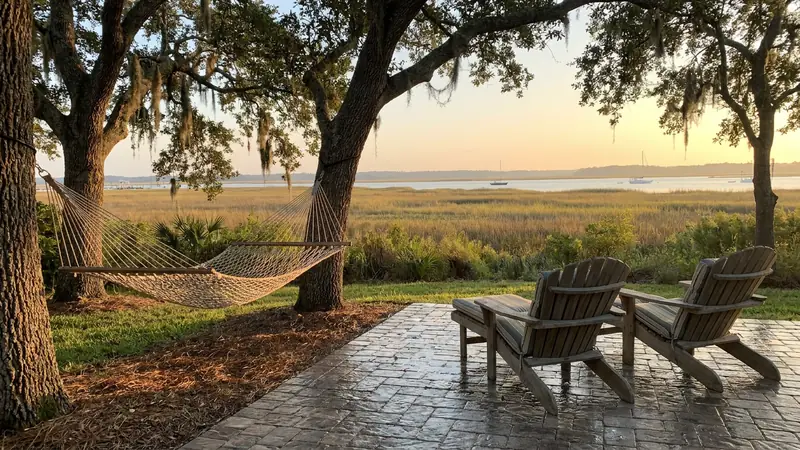
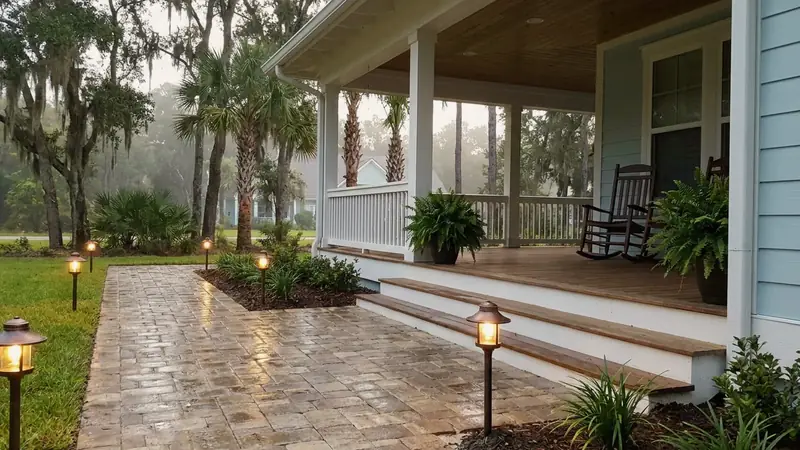
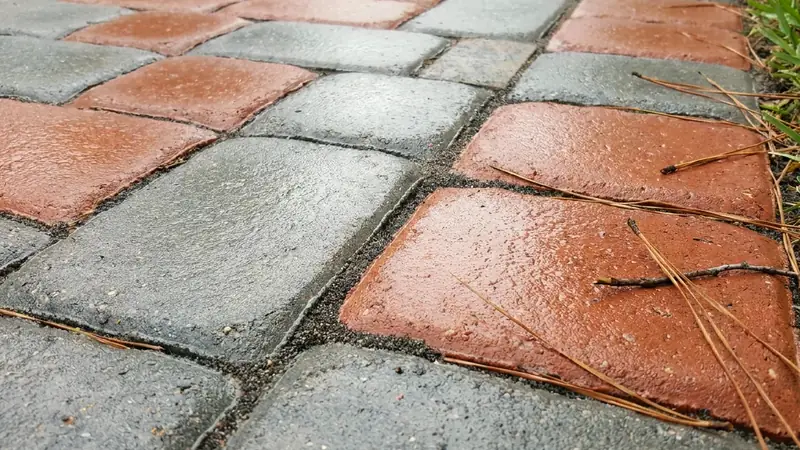
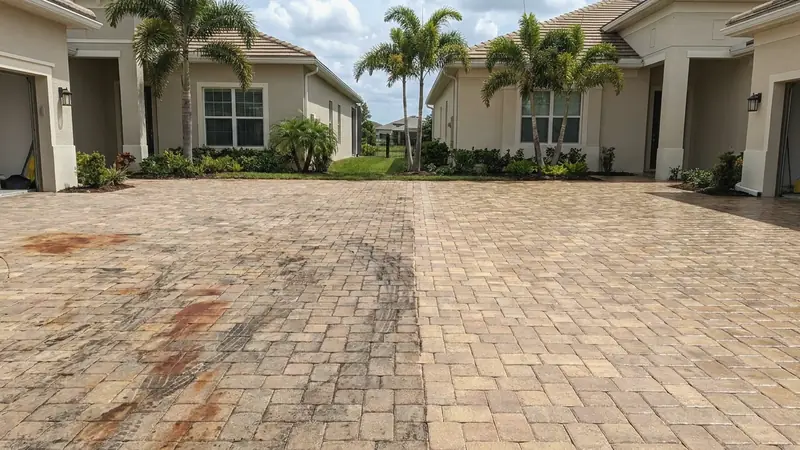
What do sealed pavers look like around Arlington Hills?
Why local matters in Arlington Hills
Someone who works Arlington Hills knows homes built from the early 1950s on, and what decades of sealer can do to a driveway. That shapes the first questions: when was the house built, and who sealed the drive last? A newcomer may not think to ask. Call (904) 664-0041 to reach a contractor who works this side of Jacksonville.
Local experience also helps with the weather. Summer downpours come in fast and short, so a contractor who lives here plans each job around the radar. A driveway with sand washing into the gutter needs dry days on both sides of the work. You can get a free estimate and ask how scheduling works.
Older lots can have trees and sprinkler systems close to the drive. A local contractor watches for rust lines, root lifts and leaf stains before quoting. Those details change prep time and price. If your lot has any of them, get a free estimate and mention it so the estimate is accurate.
Why were so many Arlington Hills homes built in the same decades?
Arlington grew quicker than any other part of Jacksonville through the 1950s and 1960s, once the Mathews Bridge opened in 1953. The Jaxson calls it the city's first major post-war suburb built for the automobile. Terry Parker began buying land there around 1943 and owned 1,800 acres by 1959. If your home is from that era, get a free estimate.
In 1955 Parker gave thirty acres to the Duval County School Board for a high school, and Terry Parker High School carries his name. Regency Square Mall opened in 1967, and the Dames Point Bridge, I-295 and the Arlington Expressway now tie the area to the rest of the city. Close to Terry Parker High or Regency Square, call (904) 664-0041 and tell the contractor your street.
Frequently Asked Questions
How much does it cost to re-sand and seal pavers in Arlington Hills?
Companies in Jacksonville commonly publish $1.75 to $3.25 per square foot to clean, sand and seal. Stripping a failed coat first adds to the cost. Where your Arlington Hills drive lands depends on size, joint sand loss and old sealer. Ask for the total square footage on any quote so you can compare.
Is it good to seal pavers in Arlington Hills?
Yes, in most cases. Sealing slows sun fade and holds joint sand in place, and a Jacksonville sealer explains that UV, heat and heavy rain speed breakdown of bare surfaces. Sunken stones are not fixed by sealing, so they are reset first. A free estimate shows what your own pavers would need.
How long does paver sealing last in Arlington Hills?
Companies commonly quote two to five years between coats, and sun and tires push a drive toward the short end. A Jacksonville cost guide says most pavers need resealing every 3 to 5 years. Water that soaks in instead of beading is a good sign it is time.
Why is paver sealing so expensive in Arlington Hills?
Prep drives the price, not the sealer. A Jacksonville cost guide says smaller projects cost more per square foot and mixed surfaces add prep time. Oil spots, lost joint sand and old failed coats all add labor before a new coat goes on. A larger area earns a better rate per square foot.
Can new sealer go over my milky or flaky coat?
No, a failing coat is stripped first. A paver company in the area says milky, white or flaky sealer usually points to trapped moisture or too many coats. Water-based sealer also cannot go over solvent-based sealer, so the old product has to be identified. Sealing over a failing coat would only trap the problem.
Will sealing fix the dip where I park?
No. Sealing locks in whatever is there, so a dip or a section lifted by tree roots is repaired before sealing. A Jacksonville company resets those areas on a rebuilt base. Point out low spots at the first visit, since they change both the price and the plan.
How long should I stay off my Arlington Hills driveway after sealing?
You can walk on it after a few hours, and cars wait about a day. A lot of owners leave the cars on the street or in the garage overnight. Wet weather can stretch that time, so ask the contractor for a clear plan on the day.
How can I tell if my driveway needs sealing?
Sand washing into the gutter after rain, weeds or ant hills along the joints and faded color all point that way. Water that soaks in instead of beading is another sign. A free look can confirm it before the damage spreads.
Nearby areas we serve
Ready for a Free Estimate in Arlington Hills?
Call (904) 664-0041 and tell us about your pavers.
Free, no obligation