
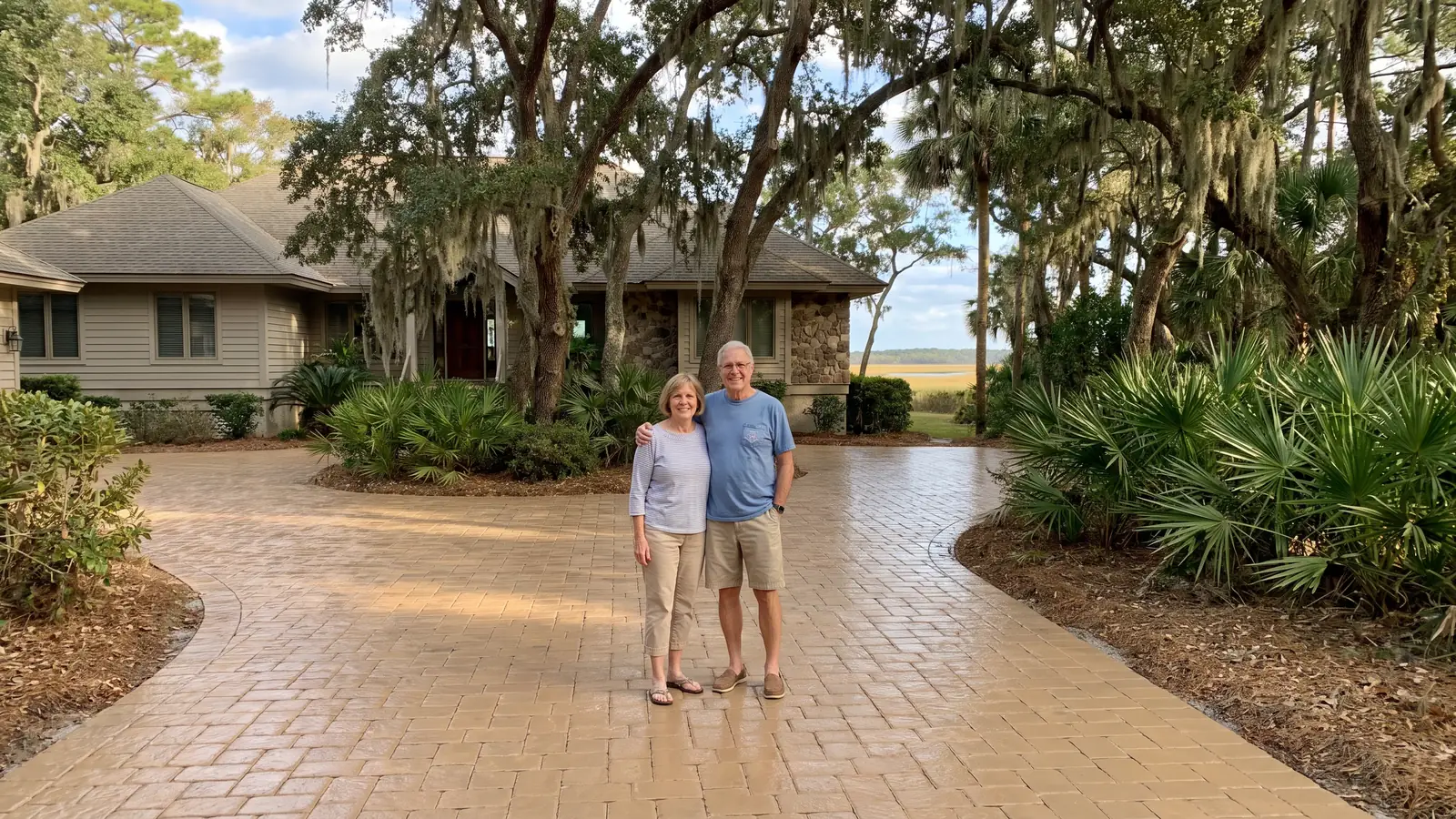
Paver sealing for Fort Caroline homes
Paver Sealing in Fort Caroline, FL
Many Fort Caroline homes date from 1959 to the 1990s; call (904) 664-0041 to find out what coat your pavers carry.
- Brings out deeper paver color
- Fresh joint sand helps lock pavers in place
- Gives weeds less room to grow
- Makes the surface easier to keep clean
- Free estimate, no obligation
Request a Free Estimate
Free, no obligation.
Fast, careful paver sealing in Fort Caroline
Paver sealing is available across Fort Caroline, from the streets off Fort Caroline Road to the gated communities near the river. From long drives to pool decks, a local contractor handles the washing, re-sanding and sealing, and the estimate is free. Go ahead and get a free estimate, since replies come within 1 business day, usually much sooner.
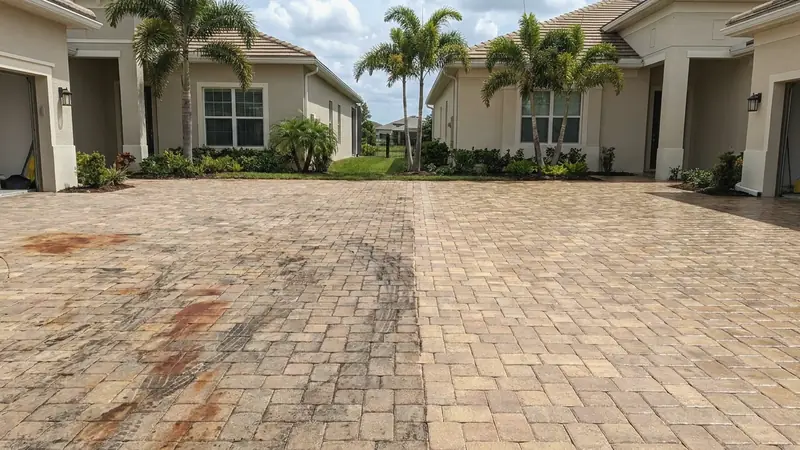
Your long drive may look dull now, dotted with leaf stains and green edges, its joints half empty. Cleaning, new sand and a fresh coat can give it one steady color again from the garage to the street. If you would like to talk first, call (904) 664-0041 and say roughly how long the drive is.
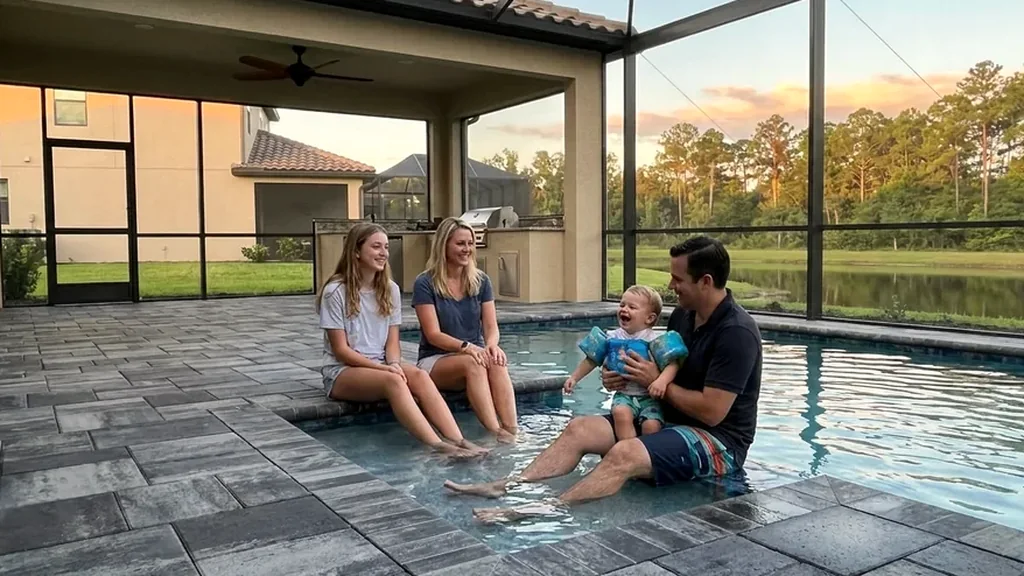
Why hire a local paver sealing contractor in Fort Caroline?
Fort Caroline homes were built across four decades, and many sit behind gates or under review boards, so a local contractor saves you guesswork. To hear how that works on your street, get a free estimate.
See the lot first
The contractor walks your Fort Caroline property and prices it before any work begins. You decide what happens next.
A fair yardstick
Local companies publish $1.75 to $3.25 per square foot for washing, sanding and sealing, so long drives have a clear benchmark.
Gates and boards handled
Many Fort Caroline communities have gates or review boards. The contractor can plan around hours and finish rules.
A finish for the shade
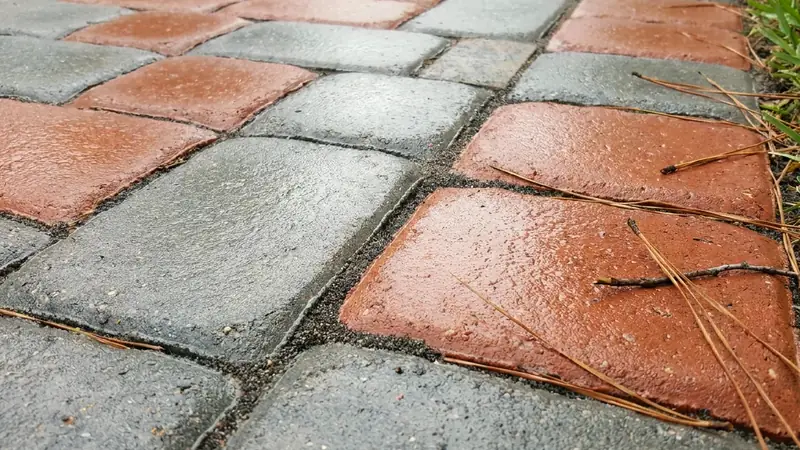
Matte looks calm under oaks and hides scuffs. A wet look deepens color but wears sooner on a long drive.
Get Your Free Estimate in Fort Caroline
Tell us about your pavers in Fort Caroline.
Free, no obligation
What paver problems show up most in Fort Caroline?
Leaves and shade from the woods
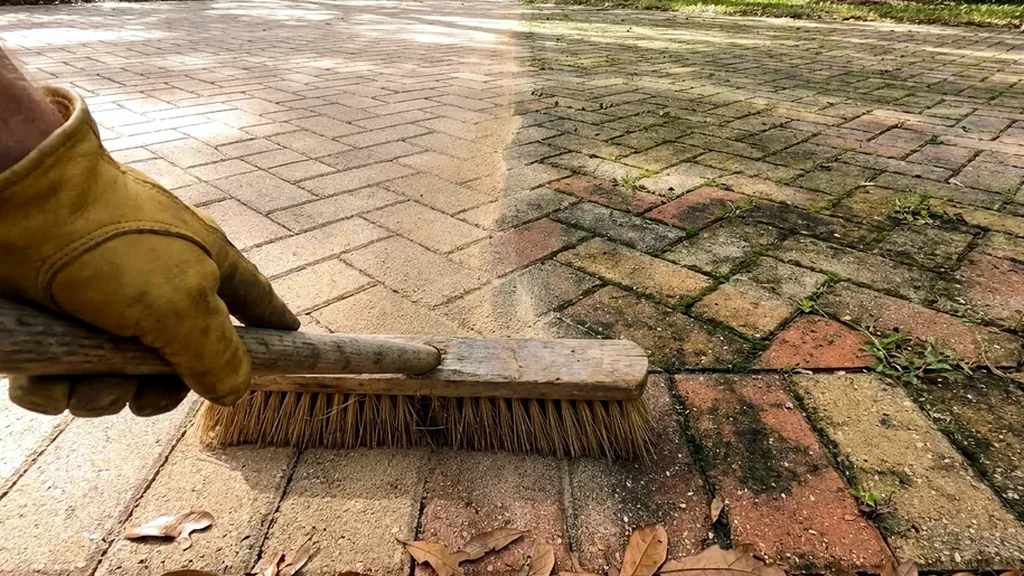
The Timucuan Preserve's trails run through shady hammocks, and its Theodore Roosevelt Area is 600 acres of hardwood forest, wetlands and scrub. Homes near Fort Caroline Road and Mount Pleasant Road sit close to that tree cover. Algae and moss show up on pavers in heavy shade, according to Landscape Ontario. Under big trees, expect green film and leaf marks first on the side that never gets sun. A contractor can wash the green away, but sealing does not stop shade, so the film may return sooner on the dark side of the house. Trails off Fort Caroline Road and Mount Pleasant Road cross hammocks and creeks, which gives you a feel for how much damp shade surrounds these streets.
Slopes that move water and sand
A Jacksonville newspaper notes that Fort Caroline has some of the city's few hills and bluffs. On sloped ground, heavy summer rain runs downhill and takes loose joint sand with it. Rain totals about 52 inches a year in Jacksonville, with most of it falling May through September. Sand from the high end of a driveway tends to end up at the low end, so the joints there are the ones to refill first. On a long drive, that means a full refill along the whole run, not only the spots that look empty. One homesite on a Fort Caroline Road bluff has a high point 76 feet above sea level, a reminder of how much elevation changes across a few blocks.
River water on low ground
The St. Johns is an estuary near Jacksonville, and a 2017 nor'easter backed up the river before Hurricane Irma pushed water into neighborhoods. In 2025 the National Park Service said the replica fort would be rebuilt on higher ground because of flooding. If your lot sits low near the river, pavers can stay wet long after rain. Washing and full drying come before any sealer. A quick note about past high water helps the contractor decide how much washing the job needs. Keep any photos of past high water, since they help show where the low ground sits. The estuary is salty near Jacksonville, and storms can push ocean water upriver, which is why low yards close to the bank behave differently from higher ones.
Gates and review boards
Queen's Harbour is a 24-hour gated community, and Riverwoods has had an association since 1985 that enforces architectural review of exterior changes. Under Florida Statute 720.3035, an association may review how a change looks if its own rules say so. A sealer color or wet look may need approval. Ask before you book, since a review can take longer than the job itself. Bring sample finishes to the board with your request, and ask the contractor to supply them. Fort Caroline Club Estates dates to 1960 with lots up to an acre, so a single street can hold pavers laid decades apart.
Coats from the 1980s and 1990s
Riverwoods homes were built from 1985 to 1993, Ft Caroline Oaks has a median year of 1991 and The Valley a median of 1989. Pavers added over those decades may carry more than one coat. A St. Augustine pressure washing company says failed, peeling sealer should be stripped before resealing, because a new coat over it peels again. A solvent-based coat from the past would block a water-based one, so someone has to find out what is there. Ask a neighbor or the builder what was used if nobody remembers. A contractor can test a small spot before stripping an entire drive, which saves money when a coat turns out to be sound.
Will paver sealing look different in Queen's Harbour, Riverwoods and Fort Caroline Shores?
Yes, because the rules and the age of the homes differ. Queen's Harbour has been open since 1988 and was planned for about 950 home sites behind a 24-hour gate. Riverwoods has had a homeowners association since 1985 that enforces architectural review. When you get a free estimate, name your community.
Fort Caroline Shores homes were built from 1975 to 1978, and Fort Caroline Club Estates dates to 1960, with homes from 1959 to 2021. The Valley, around Lake Narcissus, has homes from 1974 to 2008 and its own association. Older streets tend to carry more coats, while newer ones may be closer to a first coat. Call (904) 664-0041 and name your subdivision.
A paver company describes the homes in this part of Arlington as ranch houses with long drives, fences and pool decks. Long drives mean more square footage, and total area is a large part of the price. For a number on your drive, walks and deck, get a free estimate and share a rough length for each.
What does paver sealing cost in Fort Caroline?
Length of drive is the first price driver. A paver company describing this part of Arlington mentions ranch homes with long drives, fences and pool decks, and each adds area. Local companies commonly publish a range of $1.75 to $3.25 per square foot for washing, sanding and sealing. To price your drive, walks and deck, get a free estimate.
Beyond length, three things move a Fort Caroline bid: prep, old sealer and paperwork. According to one Jacksonville cleaning company, prep is the biggest price driver. Stripping failed coats adds a step, and a gate or review board can add days. Call (904) 664-0041 to learn which of the three fit your property.
| Paved area | Typical example | Clean, sand and seal |
|---|---|---|
| 300 sq ft | Small patio or walkway | $525 to $975 |
| 600 sq ft | Two car driveway | $1,050 to $1,950 |
| 1,000 sq ft | Large driveway or pool deck | $1,750 to $3,250 |
| 1,500 sq ft | Driveway plus pool deck | $2,625 to $4,875 |
Math based on the $1.75 to $3.25 per square foot that Northeast Florida paver companies published as of November 2026. Your contractor sets the actual price after seeing the surface. Repairs, leveling and stripping failed sealer are usually extra.
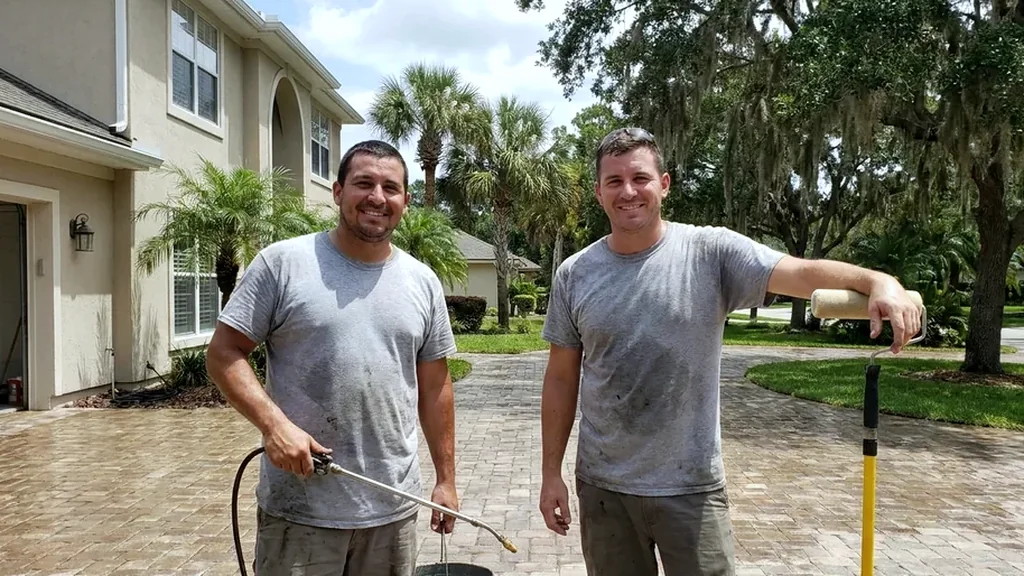
How does a paver sealing job work in Fort Caroline?
Read the ground
First the contractor reads the ground: which way rain runs off the drive, where oak limbs hang low, and how far the gate sits from the garage. Roots that have heaved an edge and dips where cars park get marked. Anything already on the surface is identified, since an old solvent-based coat rules out a water-based one. Gate codes and board rules are settled now, not on the morning of the job.
Wash downhill
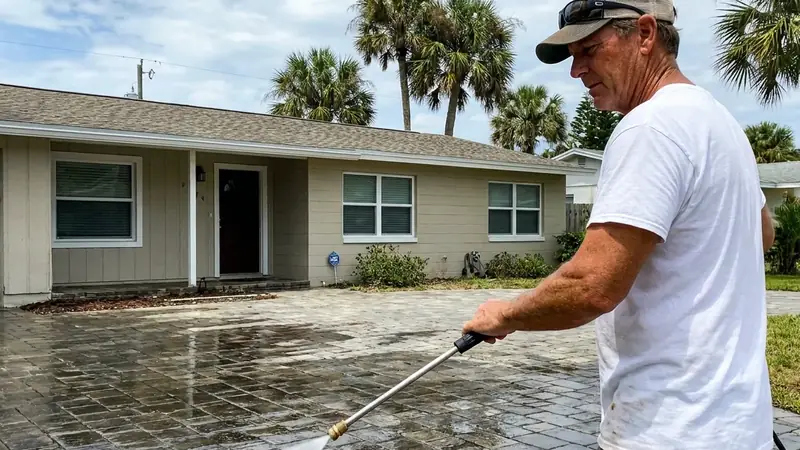
Work starts at the top of a slope and moves down, so dirty water never crosses clean pavers. Leaf stains, algae film and tire rubber lift off. Rust marks and oil are pre-treated. The garage door and nearby plants are shielded from the spray. A few deep marks may stay faintly visible, and the contractor tells you which ones before moving on.
Fill from the bottom up
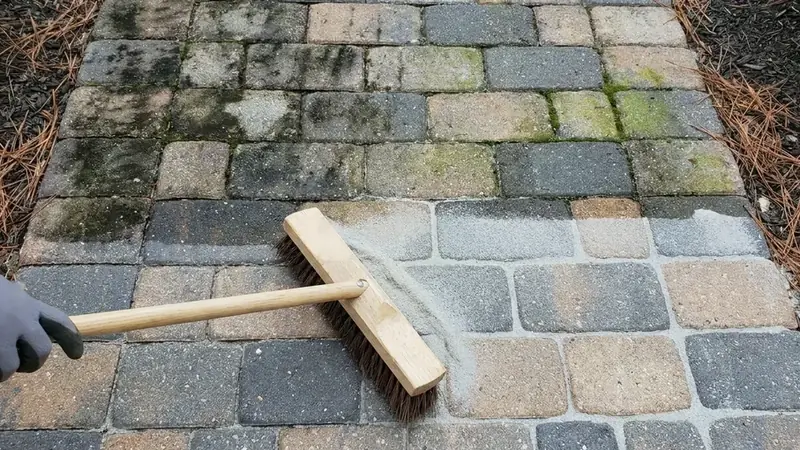
Rain on a slope drags sand toward the low end, so the contractor starts there when refilling. New sand is swept into each joint until none is left to take. Soil that crept into old gaps is cleared first. On a long run of pavement the work goes in sections, finishing each before starting the next.
Wait for the shade to give up the damp
Pavers under heavy limbs and low spots close to the river hold moisture the longest. A Jacksonville company says sealer goes cloudy white when applied to damp pavers, so the contractor checks the surface with the forecast in mind. A dark patch means a delay of a day, even if the sunny stretch is ready.
Seal and set the clock
A sprayer lays the sealer down, and a roller works it into the joints. On a long drive, a wet look shows tire scuffs sooner than matte does. Quotes commonly run two to five years between coats. Foot traffic resumes within hours, while cars wait a bit longer. Keep the product name with your house papers.
Complete paver services in Fort Caroline
Picture the drive in four passes: the first washes off leaves, film and tire marks, the second puts sand back, the third waits for dry pavers, and the fourth seals. To ask how long all four take on a long drive, call (904) 664-0041.
Many Fort Caroline homes pair a long driveway with entry walks, a fenced patio or a pool deck. Tires and sun work on the drive, falling leaves work on patios under trees, and wet feet work on decks. Each surface is handled its own way. When you get a free estimate, name the surfaces and any gate or review step.
Two picks shape the finish. Sealer type is water-based or solvent-based, and an earlier solvent-based coat rules out a water-based one. Sheen is matte or wet look: matte stays calm under oaks, and wet look deepens the color of a drive. Call (904) 664-0041 to fit the finish to your home and your rules.
A good sealing date in Fort Caroline has two conditions: the pavers are dry, and the gate or board is ready. The first depends on rain and shade, and the second on a phone call. Plan a spare day for either. To start that call, get a free estimate.
Questions to ask before you hire
- Do you take a card, and is anything due before the work begins?
- What do you do about the white powder that keeps coming up through my pavers?
- Do I need to be home while you work?
- Do you carry liability insurance, and can I see the policy before you start?
- Which sealer would you use here, and does the salt air off the Intracoastal change that choice?
- Can you get the dark leaf stains from my oak trees out before you seal?
- If it rains the night after you seal, what happens to the coat?
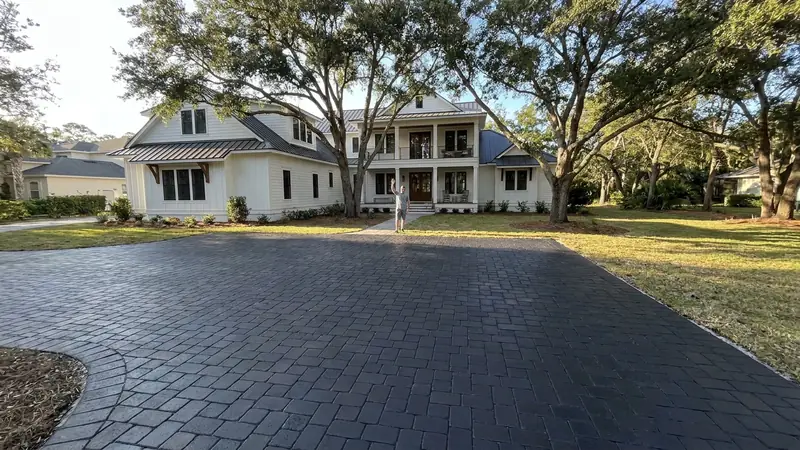
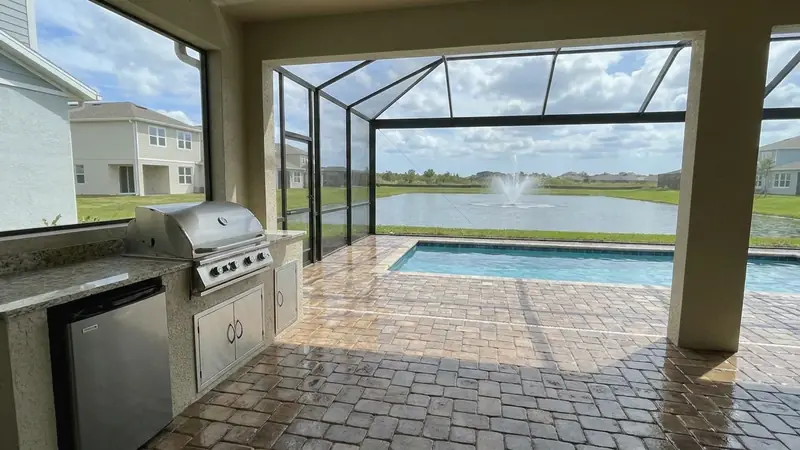
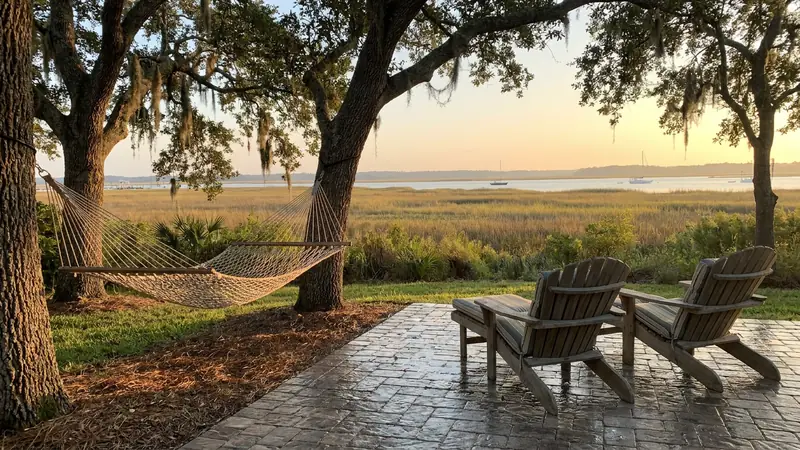
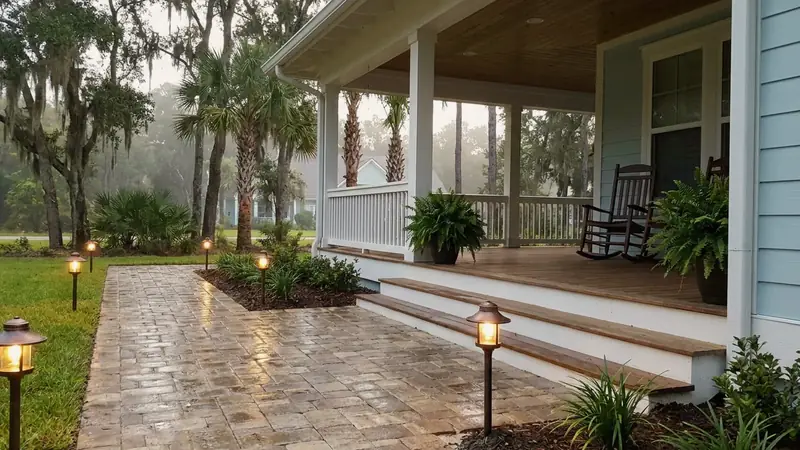
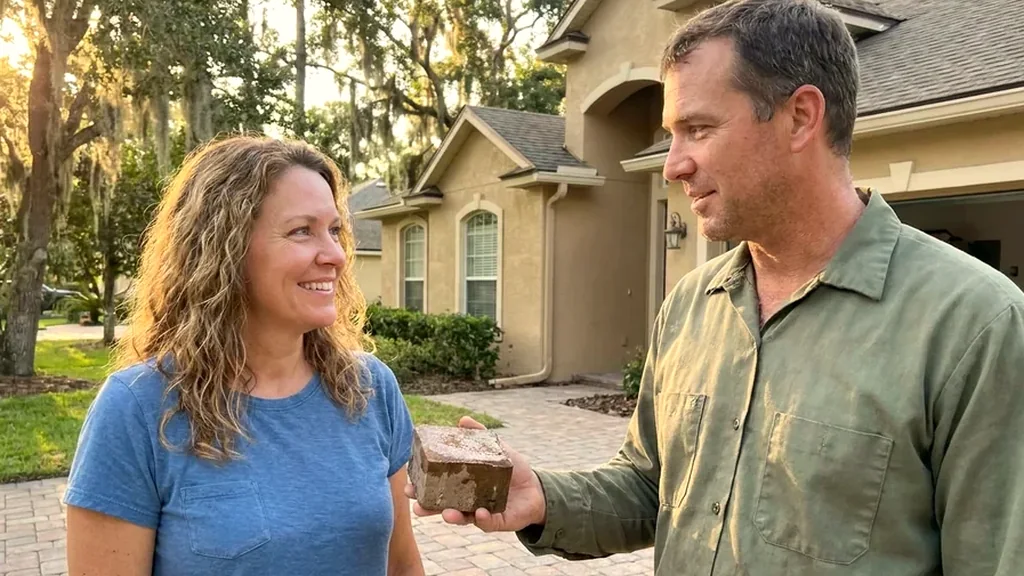
What do sealed pavers look like around Fort Caroline?
Why local matters in Fort Caroline
Ask a Fort Caroline neighbor about gates and review boards and you will hear a story. A contractor familiar with these streets asks first if you live behind a gate or under a board. The answer sets the schedule and the finish. If you want someone who knows this ground, call (904) 664-0041.
The land matters as much as the rules. Bluffs, hammocks and low ground near the river each treat pavers differently. A local contractor expects sand to drift downhill and shaded pavers to stay damp. To hear how a date gets chosen, get a free estimate.
Homes from the 1970s through the 1990s fill many Fort Caroline streets, so a sealer from an earlier owner is common. A local contractor starts with questions and a small test patch. That can spare you a strip job you did not need. When in doubt, get a free estimate and mention when the house was built.
What should a contractor know about the land around Fort Caroline Road?
Mainly that it is wooded, hilly in places and close to the river. French colonists founded Fort Caroline in 1564, and the national memorial at 12713 Fort Caroline Road was established in 1953. The Theodore Roosevelt Area next to it holds 600 acres of hardwood forest, wetlands and scrub. If you live near the memorial, get a free estimate and share your cross street.
The land has changed with the water. In 2025 the park service announced the replica fort would be demolished because of flooding and rebuilt on higher ground. The trails nearby, including the Spanish Pond Trail off Fort Caroline Road and the Willie Browne Trail off Mount Pleasant Road, cross hammocks and creeks. Near any of these Fort Caroline landmarks, call (904) 664-0041 and name your street.
Frequently Asked Questions
Why is paver sealing so expensive in Fort Caroline?
Prep and size, mostly. Fort Caroline drives are often long, so washing, sand, fixes and old-coat removal all grow with the length. Local companies commonly publish a range of $1.75 to $3.25 per square foot for washing, sanding and sealing. Make sure each bid lists the same work.
How much should I pay for paver sealing in Fort Caroline?
Plan on $1.75 to $3.25 per square foot to clean, sand and seal, the range local companies commonly publish. Your Fort Caroline price depends on area, shade and old sealer. Ask for the total area in the quote, then compare it to that range. A long drive can add up fast, so measure it before the visit.
Is there a downside to sealing pavers in Fort Caroline?
Upkeep and timing are the main ones. Sealer wears out and needs another coat later, and wet look shows scuffs sooner than matte does. It also needs a dry surface, which can push a date back on shaded lots or after river water. A short test on a hidden corner can show how the finish looks before the full job.
How long does paver sealing last in Fort Caroline?
Expect two to five years between coats, which is the span local companies quote. Heavy shade, daily tires and sun cut into that. One Jacksonville company offers a test: if water beads, the coat works, and if it soaks in, the coat is done. Water that beads is an easy check to repeat each spring.
Do I need approval to seal pavers in a Fort Caroline community?
It depends on your declaration. Under state law an association can review how a change looks when its own documents say so, and Riverwoods runs an architectural review. Ask about sealer color, shine and gate hours before you book. Send the written rules to the contractor so the first visit goes smoothly.
Will sealing fix pavers lifted by tree roots?
No. Root-lifted or sunken sections are reset first. A Jacksonville paver sealing company says sealing locks in whatever is there, so a lift stays a lift. Show the contractor raised edges and dips at the first visit. That visit also shows if the base needs more than a reset.
What happens if my Fort Caroline pavers already have sealer on them?
Not always, because a water-based product cannot go over a solvent-based one. A St. Augustine company says peeling, cloudy sealer should be stripped before anything new goes on. The contractor must identify the old product before anything else. Ask a neighbor or the builder if anyone remembers the product name.
Can pavers be sealed after river water reaches the yard?
Yes, as soon as the pavers are clean and completely dry. The contractor washes away what the water left, replaces lost joint sand and checks the low spots. Sealing damp pavers can turn the coat cloudy white. Silt left by high water can add washing time.
Ready for a Free Estimate in Fort Caroline?
Call (904) 664-0041 and tell us about your pavers.
Free, no obligation