
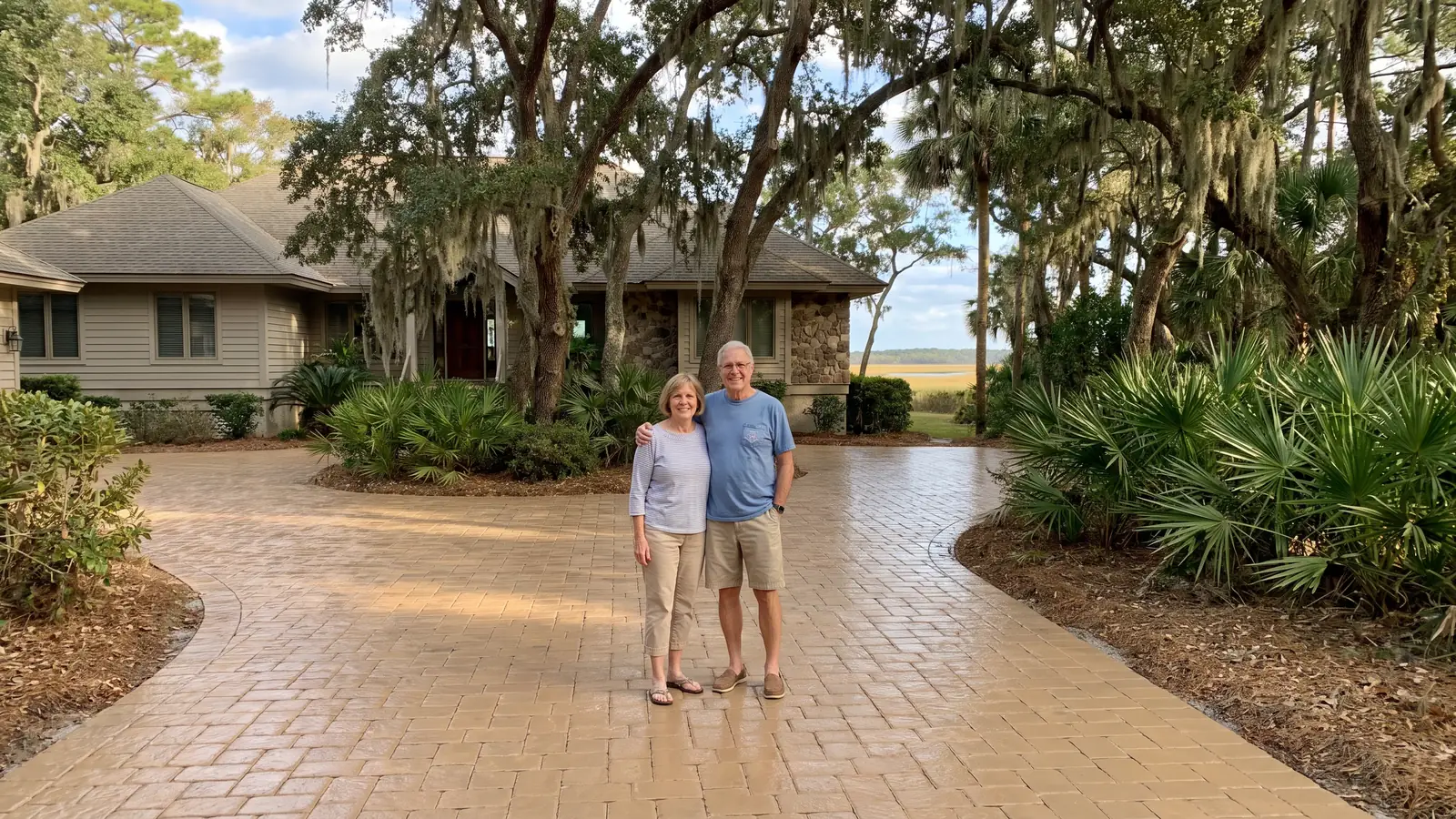
Paver sealing for San Marco homes
Paver Sealing in San Marco, FL
San Marco brick and pavers have aged with the neighborhood, so call (904) 664-0041 to ask a local contractor about sealing.
- Brings out deeper paver color
- Fresh joint sand helps lock pavers in place
- Gives weeds less room to grow
- Makes the surface easier to keep clean
- Free estimate, no obligation
Request a Free Estimate
Free, no obligation.
Fast, careful paver sealing in San Marco
Paver sealing is available across San Marco, from the brick courtyards around San Marco Square to the walks near Landon Park. A local contractor washes, re-sands and seals driveways, patios and entry walks, and the estimate is free. Put in a request with get a free estimate and you will have an answer within 1 business day, usually much sooner.
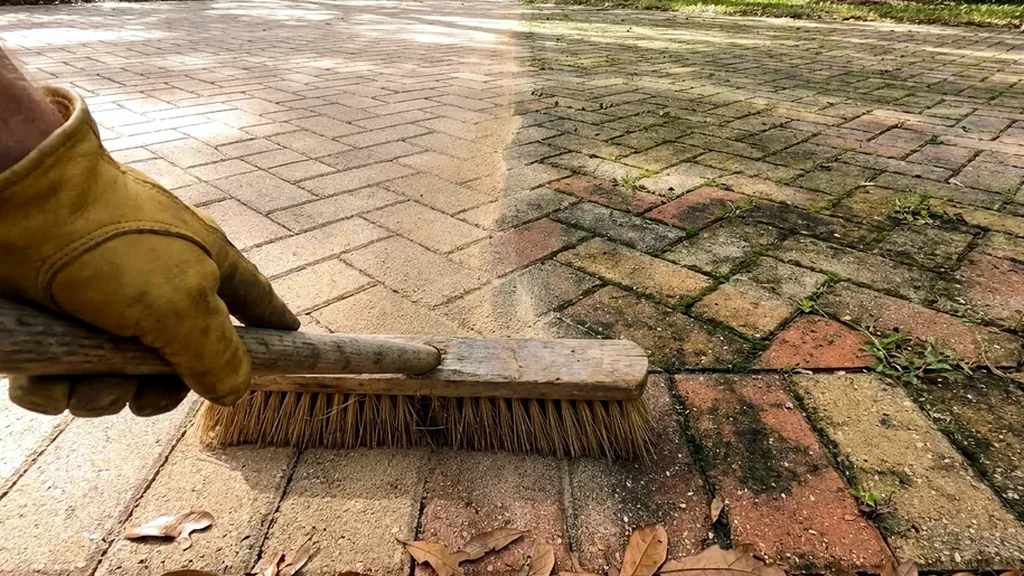
Look at the old brick walk beside a 1920s home. The color has gone dull, moss has crept into the low spots, and small weeds have moved into the emptied joints. A careful wash, new sand and the right coat can bring back the warm tone. Call (904) 664-0041 and describe the surface.
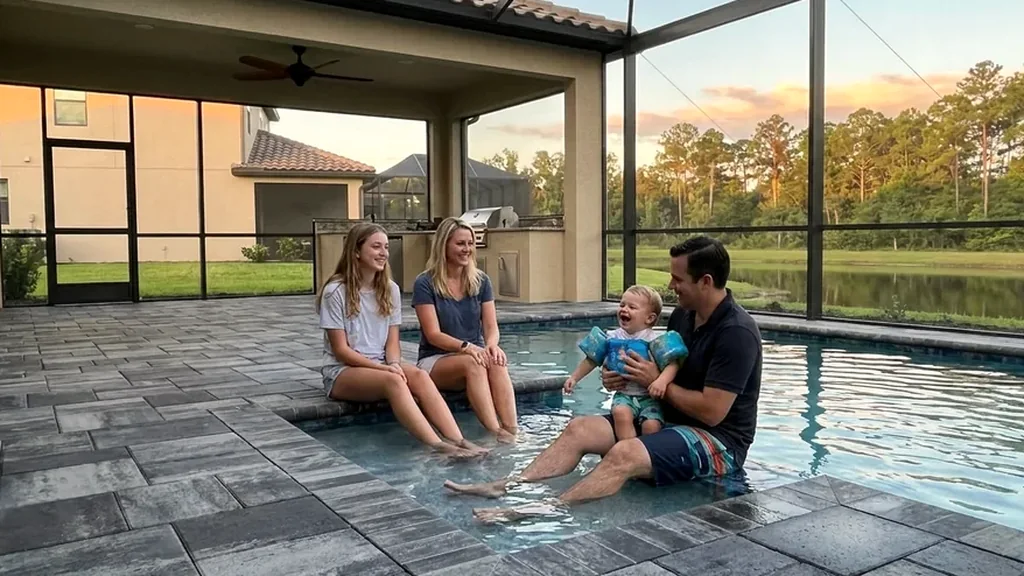
Why hire a local paver sealing contractor in San Marco?
San Marco has old brick, tight courtyards and low streets that flood at high tide, so a local contractor knows what to ask. To talk through your property, get a free estimate.
A look before a price
The contractor sees your San Marco brick or pavers in person at no charge, then gives you a price. No obligation follows.
A range to check
Companies around Northeast Florida publish $1.75 to $3.25 per square foot to clean, sand and seal, so compare your San Marco quote to that.
Test before you commit
A test patch can show how a sealer changes the color of old brick. Ask for one if the finish matters to you.
Your house, your say
You choose the sealer, the finish and the date. A San Marco estimate does not commit you to anything.
Get Your Free Estimate in San Marco
Tell us about your pavers in San Marco.
Free, no obligation
What paver problems show up most in San Marco?
Old brick needs a gentler sealer
A Northeast Florida paver company recommends a breathable penetrating sealer for old clay brick. It says a film sealer can trap moisture and cause flaking and haze. The company also offers a test patch so you can see how a sealer changes the color. San Marco has plenty of aging brick, so this question comes up early. The company also says prep work such as mildew removal, rust treatment or stripping old film affects price more than the sealer does. Ask the contractor which sealer is on the quote and why.
Street water at high tide
News4JAX reported that a San Marco resident in 2025 described the road as about knee deep at its worst, with wakes pushing water into yards at high tide. The city says its new LaSalle Street pump station can move up to 60,000 gallons a minute. Officials also say heavy rain falling fast can still overwhelm the system. Sealer needs a dry surface, so the contractor asks how your yard drains. Silt from a flood day is washed off before any coat goes on. A courtyard that holds water after rain may need a later date.
Oak and magnolia leaf stains
San Marco's parks, such as Landon Park, are shaded by magnolias and oaks. A Jacksonville paver sealing company says driveways collect tannins from oak leaves. It says sealing locks in whatever is on the surface. Leaf prints are washed out first, so they do not end up under the coat. Shaded corners also grow mildew and moss, which take longer to dry. The contractor checks those spots last before any sealer is opened.
Courtyards with no room to spare
Safe Touch describes San Marco and St. Nicholas as historic brick, tight lots and courtyards. A small courtyard means hoses, pumps and cans are carried in by hand. Smaller projects cost more per square foot because prep time does not shrink with the surface, a Jacksonville cost guide says. Ask about a minimum before you book. A short walk with an entry court may be a small job, but the same visit can cover the front steps and a side path. Bundling the areas can bring the rate down.
Coats and repairs from many owners
Homes in nearby Alexandria Place have a median build year of 1939, and the neighborhood has seen many owners since. Over that span a walk may have been repaired and sealed more than once. Safe Touch says a strip and reseal costs more when the old coat has failed. Before pricing, the contractor looks at what already coats the surface. If the old coat is failing, it may need to come off first. A test spot shows whether it is still holding.
Does San Marco's historic status change how pavers are sealed?
It can, depending on your block. Inside a local historic district, or at a designated landmark, the city asks for a Certificate of Appropriateness before site work such as fencing, driveways and sheds. Look up your address on the Land Development Map first, then get a free estimate.
San Marco also holds several named areas. Colonial Manor and South Riverside sit within it, and St. Nicholas lies just east. The old Red Bank plantation became South Riverside and Colonial Manor, which Jacksonville annexed in 1937. Tell the contractor which one is yours when you call (904) 664-0041.
The plan for the area was Italian Renaissance revival, though most homes did not follow it. San Marco Square has a Mediterranean Revival building from 1927 and an art deco theatre from 1938. Brick, stucco and stone sit beside paver walks. When you get a free estimate, mention which materials touch your pavers.
What does paver sealing cost in San Marco?
In San Marco, as elsewhere in Northeast Florida, published prices land between $1.75 and $3.25 per square foot to clean, sand and seal. San Marco jobs are often small, and small jobs cost more per square foot because prep does not shrink. A Jacksonville cost guide says prep drives the cost. For a figure on the brick or pavers at your house, get a free estimate.
Condition moves the price inside the range. A failed old coat has to be stripped, and Safe Touch says that costs more. Mildew, rust and moss add wash time. Call (904) 664-0041, and the contractor can say which of these fit your San Marco brick or pavers before work starts.
| Paved area | Typical example | Clean, sand and seal |
|---|---|---|
| 300 sq ft | Small patio or walkway | $525 to $975 |
| 600 sq ft | Two car driveway | $1,050 to $1,950 |
| 1,000 sq ft | Large driveway or pool deck | $1,750 to $3,250 |
| 1,500 sq ft | Driveway plus pool deck | $2,625 to $4,875 |
Math based on the $1.75 to $3.25 per square foot that Northeast Florida paver companies published as of November 2026. Your contractor sets the actual price after seeing the surface. Repairs, leveling and stripping failed sealer are usually extra.
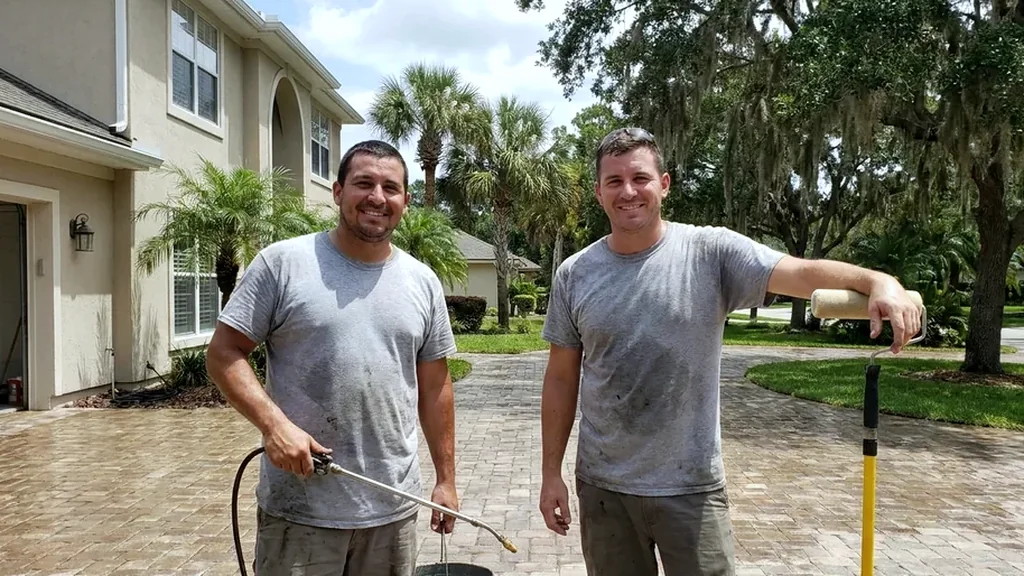
How does a paver sealing job work in San Marco?
Identify the material and the old coat
The contractor starts by looking at what the surface is made of. Old clay brick, concrete pavers and stone each need their own approach. Any coat already on the surface must be named before work starts, since water-based sealer cannot go over solvent-based sealer. A test patch can be done if the color is a worry. The contractor also notes how water runs off the surface and where shade holds moisture. That walk sets the plan and the price.
Wash out mildew and leaf marks
The surface is cleaned of dirt, mildew, moss and tannin stains. Rinse water is kept off stucco and wood trim near the walk. Oil and rust stains get their own treatment during the wash. The surface then needs time to dry, which can take longer in the shade of a magnolia. Old brick can hold moisture for longer than new concrete. A careful contractor does not rush this step.
Reset the brick or pavers that moved
Sunken or lifted sections are reset on a rebuilt base, since sealing locks in whatever is there. Oak roots and age can both cause movement. The contractor tells you the cost before starting. New sand goes into every joint after the reset. Full joints keep the brick snug and slow weeds. The last sweep clears loose grit from the face before the coat.
Wait out the water
Sealer only goes down once the surface is fully dry. After heavy rain or a high tide that pushed water into the yard, the contractor may wait a day or more. Summer is the wettest season. A dry week is the target, and Jacksonville now averages about 53.4 inches of rain a year. If the forecast turns, the date moves. A short delay costs less than a cloudy coat.
Apply the sealer and keep off
Professionals typically spray sealer and then back-roll it for even coverage and joint fill. Foot traffic can usually resume after a few hours. Keep cars off the new coat for about a day. Plan to use the street or the garage for the night. Matte and wet look finishes are both available, and wet look shows scuffs sooner. Ask when the courtyard is ready for furniture.
Complete paver services in San Marco
A San Marco job moves in steps. The surface is washed, the joints get new sand, the brick or pavers dry, and the sealer goes on last. Doing it in this order keeps leaf stains and mildew from being locked under the coat. To hear how long each step runs at your San Marco house, call (904) 664-0041.
The surfaces here are mixed. Old clay brick walks sit next to concrete pavers laid in later decades, and courtyards may hold both. Each wears differently under oak shade and morning sun, which means one courtyard can need two plans. Describe the surfaces you have when you get a free estimate.
Sealer choice follows the material. A breathable penetrating product suits old clay brick, while a film sealer can trap moisture there. Because water-based sealer cannot go over solvent-based sealer, any old coat decides first. Call (904) 664-0041 and ask about a test patch, which shows how the sealer changes the color before the whole job goes ahead.
Timing follows the weather and the tide. Jacksonville now averages about 53.4 inches of rain a year, and sealer needs a dry surface. A yard that floods in a hard storm needs extra drying time. Companies commonly quote two to five years between coats, so to plan a date, get a free estimate.
Questions to ask before you hire
- What do you do about the white powder that keeps coming up through my pavers?
- If it rains the night after you seal, what happens to the coat?
- Do I need to be home while you work?
- If the sealer starts to flake in a few months, who do I call?
- Do you take a card, and is anything due before the work begins?
- Is the wash, the new joint sand and lifting any low pavers part of your price?
- Will you clear the weeds and ant hills out of the joints first?
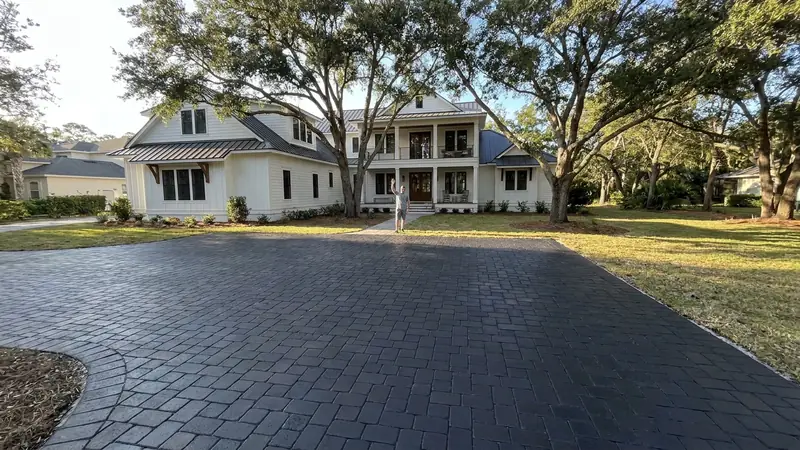
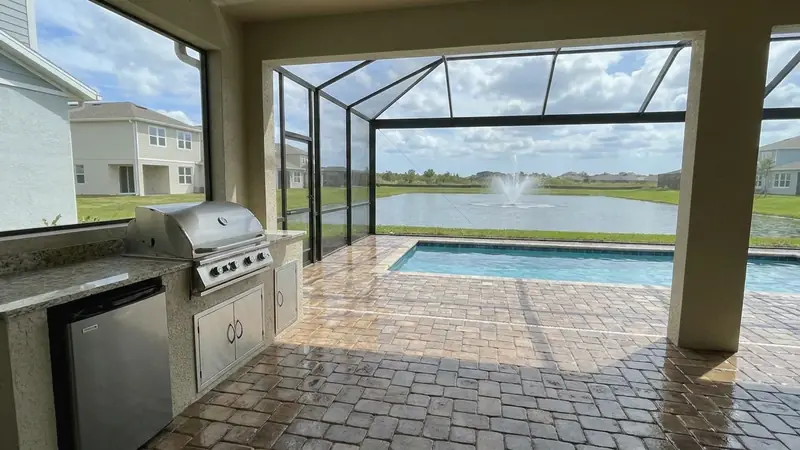
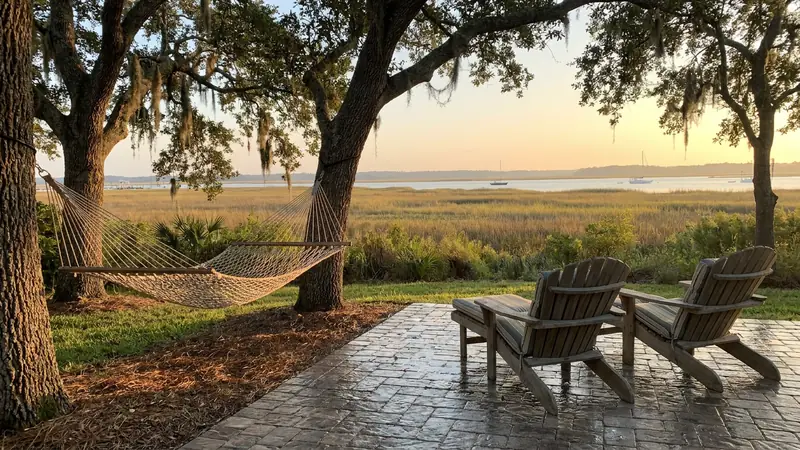
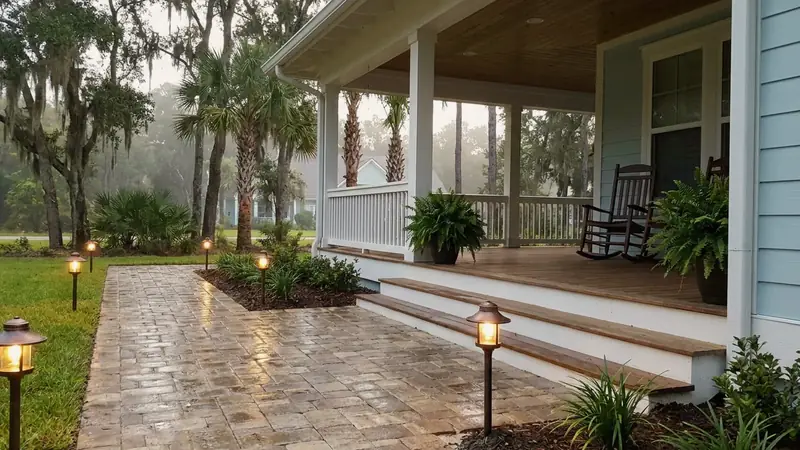
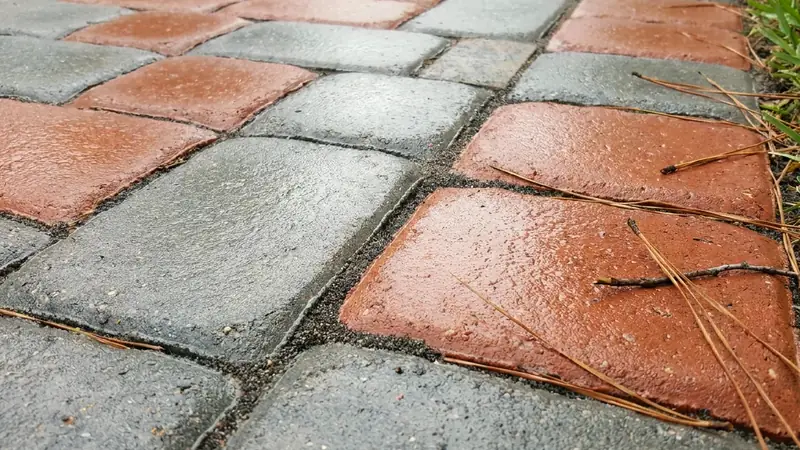
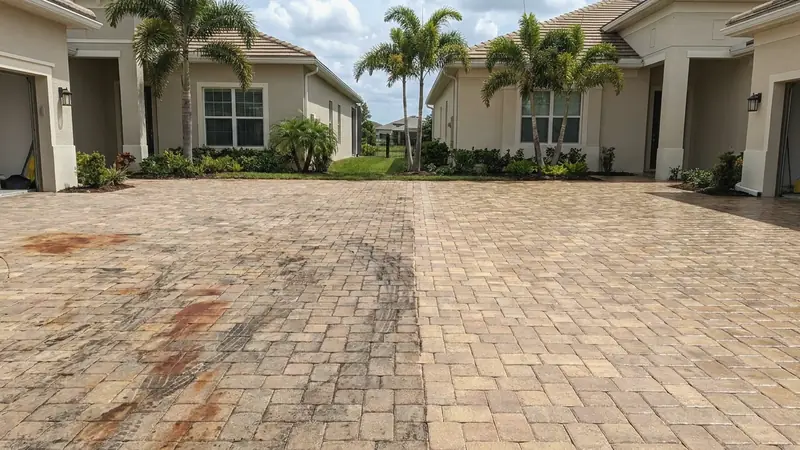
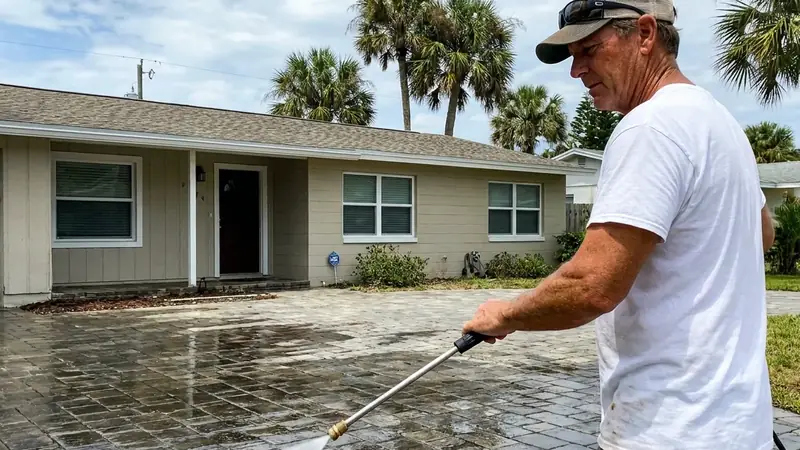
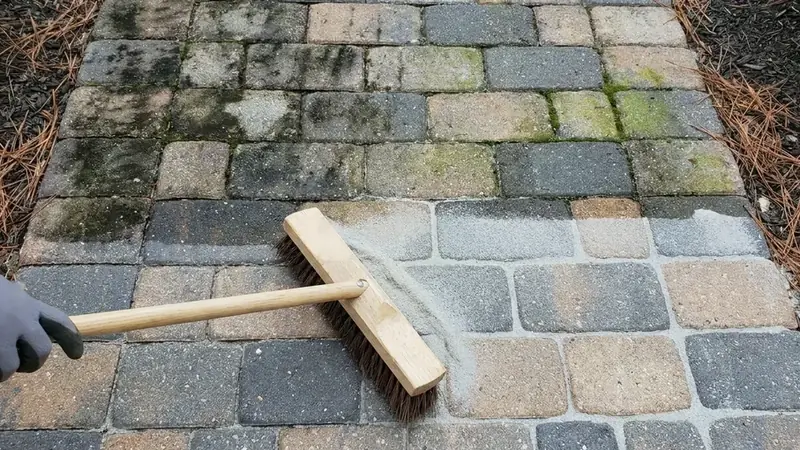
What do sealed pavers look like around San Marco?
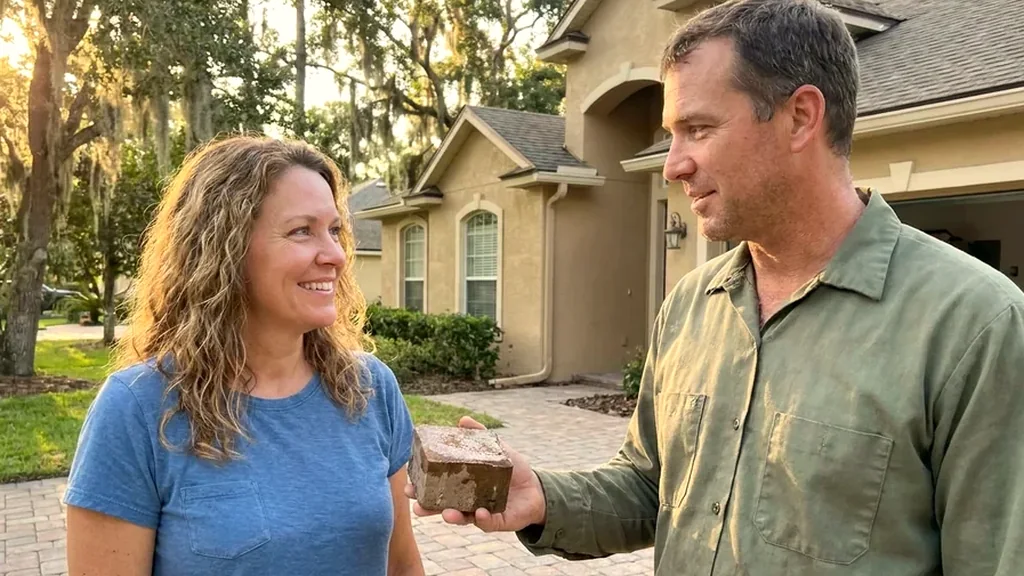
Why local matters in San Marco
A contractor who works San Marco knows the streets flood. The LaSalle Street pump station was built to send water back to the St. Johns River, and the builder said it would not stop all flooding. That affects the day you can seal. To reach a contractor who works the streets around San Marco Square, call (904) 664-0041.
Local also means knowing old materials. San Marco has brick, stucco, and stone beside pavers, and each reacts to rinse water and sealer differently. A contractor who knows the area asks about the house first. You can get a free estimate and mention what your walls and walks are made of.
The tidal river matters as well. Tides affect the St. Johns far upstream, with a strong pull near Jacksonville. A local contractor plans around high water and storms. For a no-obligation chat about your San Marco property, get a free estimate.
What makes San Marco different from Jacksonville's other old neighborhoods?
It began fast and with a plan. San Marco broke ground in 1925 on 80 acres of the former Villa Alexandria estate, and all 250 lots sold within three hours. Developer Telfair Stockton built it near the old Gamble and Stockton Brick Company clay pit, which became Marco Lake. If you live near the lake, get a free estimate.
Today the center is the Square, where Atlantic Boulevard, Hendricks Avenue and San Marco Boulevard meet. The San Marco Theatre opened there in 1938, and Balis Park sits in the middle. Landon Park, with its magnolias and oaks, is close by. Near any of these places, call (904) 664-0041 and tell the contractor which San Marco street is yours.
Frequently Asked Questions
What makes paver sealing cost so much in San Marco?
Prep takes most of the time, and prep does not shrink on a small courtyard. One Jacksonville cost guide says prep sets the price and that small jobs cost more per square foot. Old coats, mildew and lifted brick add work before any sealer goes on. Extremely low bids can mean skipped prep. Ask each company what its price covers before you compare totals.
What does it cost to clean, re-sand and seal pavers in San Marco?
A San Marco job fits the $1.75 to $3.25 per square foot range that Northeast Florida companies publish to clean, sand and seal. Your San Marco total depends on size, mildew, old sealer and repairs. Have the square footage written into each quote so the bids can be compared. A small San Marco courtyard may run into a company minimum. Larger jobs usually earn a lower rate per foot.
How many years does paver sealing last in San Marco?
San Marco owners can plan on two to five years between coats, going by what companies commonly quote. One Jacksonville company says film sealers need redoing every three to five years and penetrating sealers last five to seven. Heavy shade and daily foot traffic can shorten the span. Water that beads means the coat is working, and water that soaks in means it is spent. Mark the date of the last coat so you know when the next is due.
Which water-based paver sealer is right for old brick in San Marco?
For old clay brick, one company recommends a breathable penetrating sealer, since a film sealer can trap moisture and cause haze. Water-based sealer cannot go over solvent-based sealer, so the old coat decides first. A test patch can show the color change. Prep such as mildew removal and stripping old film usually affects the price more than the sealer does. Hold on to the product name for the next coat.
Do San Marco's historic rules cover paver sealing?
It may, if your lot sits in a local historic district or at a landmark. The city asks for a Certificate of Appropriateness for site work, and its examples include driveways. Sealing is not named, so a phone call to city staff is the surest way to know. The San Marco Preservation Society formed in 1975 to preserve the neighborhood's historic and architectural character. Ask the contractor to keep the product name and color on file.
Can pavers be sealed after street flooding in San Marco?
Yes, once the surface is dry. The contractor washes off silt first and waits until the pavers dry fully. The new LaSalle Street pump station is meant to help water recede faster, but officials say heavy rain falling quickly can still overwhelm it. The city says the project cost about $64 million. Plan for a dry week anyway, since a hard storm can still put water in a low yard.
How soon can I use my San Marco walk after sealing?
People can usually step on the pavers after a few hours, and cars wait about a day. The exact time varies with the sealer used and the weather that week. Plan to use the street or the garage for the night. If rain is in the forecast, the contractor may move the day, since sealer needs a dry surface.
Is paver sealing worth it on a San Marco courtyard?
Often yes, since sealing slows weeds and holds joint sand. After sealing, new spills sit on the surface longer and rinse off more easily, one Jacksonville company says. Ask for a test patch first if you are worried about color. A sealed surface also holds joint sand better. Plan on a new coat in a few years.
Nearby areas we serve
Ready for a Free Estimate in San Marco?
Call (904) 664-0041 and tell us about your pavers.
Free, no obligation